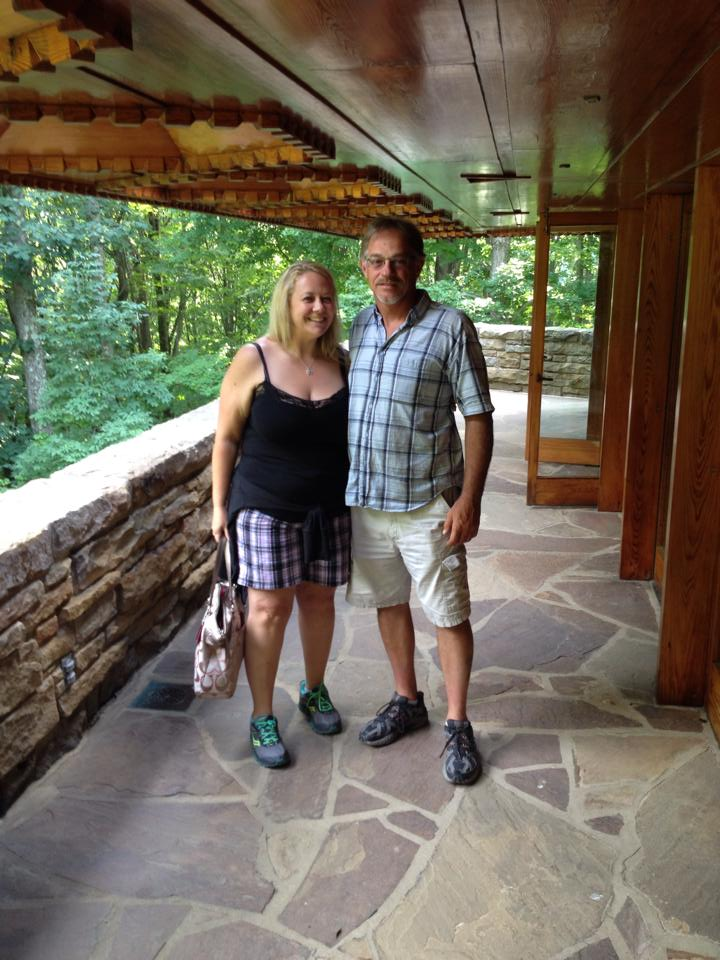
The Laurel Highlands of Pennsylvania are home to two of the most remarkable architectural landmarks in the United States. Designed by legendary architect Frank Lloyd Wright, Fallingwater and Kentuck Knob perfectly reflect his philosophy of organic architecture—building with nature, not against it.
If you enjoy architecture, history, or unique travel experiences, this destination deserves a spot at the top of your list.
Fallingwater: A Home Built on a Waterfall
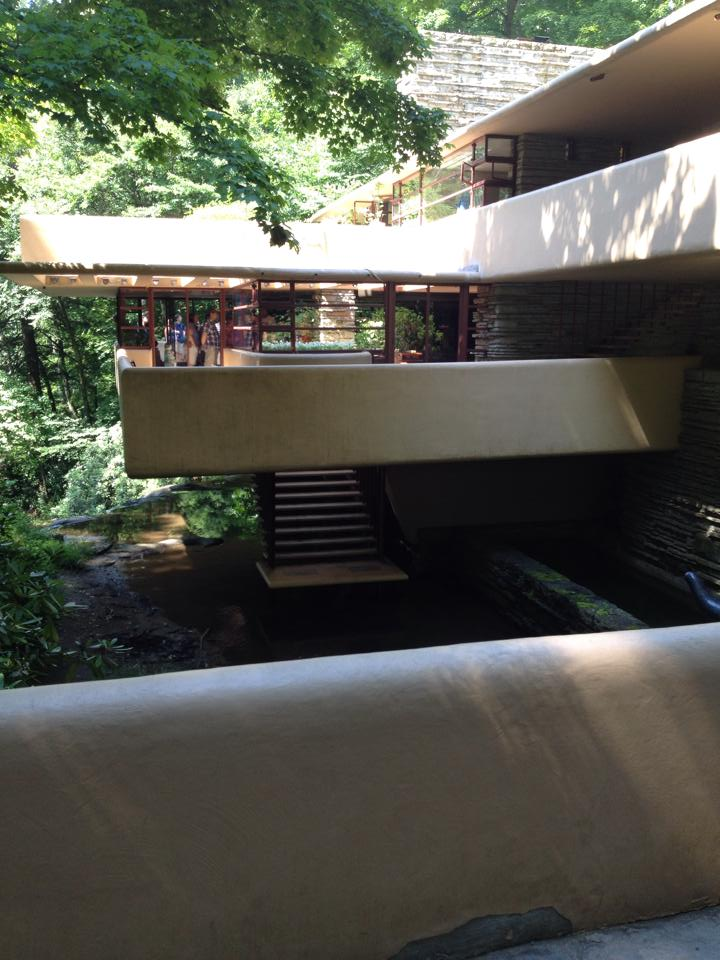
Fallingwater is Frank Lloyd Wright’s most famous residential design—and for good reason.
Edgar J. Kaufmann Sr., the owner of Kaufmann’s Department Store in Pittsburgh, commissioned the home in 1937 as a summer retreat for his family. While most architects would have placed the house beside the waterfall, Wright made a bold choice.
Instead, he built the home directly over it.
As a result, the structure becomes part of the landscape rather than a backdrop to it. The sound of rushing water fills nearly every room, creating a peaceful and unforgettable atmosphere.
When you tour Fallingwater, you don’t just see architecture—you experience it.
Designed to Blend Into Nature
One of the most fascinating design details sits right in the kitchen.
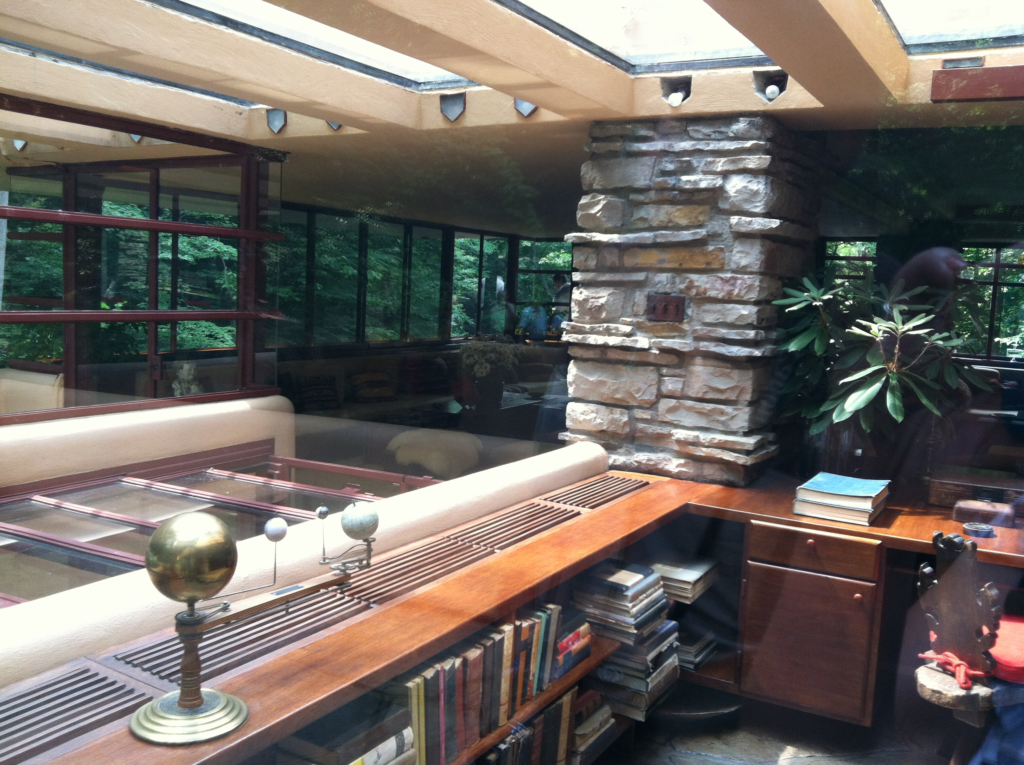
During construction, workers discovered a massive boulder exactly where a wall was planned. Rather than remove it, Wright redesigned the space around it. Today, that same boulder remains part of the home.
This decision perfectly illustrates Wright’s belief in respecting the natural environment.
In addition, the interior design subtly guides visitors outdoors. Ceilings start low inside and gradually rise as you move toward the terraces and balconies. This clever transition naturally encourages you to step outside and connect with the surrounding forest.
The Fallingwater Guest House
Two years later, in 1939, construction began on a guest house behind the main residence. It includes:
- A swimming pool fed by a natural stream
- A covered walkway connecting it to the main house
- Additional living space for guests
Although separate, the guest house complements the main structure beautifully and maintains Wright’s signature style.
Kentuck Knob: Another Frank Lloyd Wright Masterpiece
Just seven miles from Fallingwater sits another architectural gem—Kentuck Knob.
The home was commissioned by the Hagen family, successful entrepreneurs in the ice cream business and close friends of the Kaufmanns. Inspired by Fallingwater, they hired Wright to design their home in the 1950s. Construction took place between 1954 and 1956.
The family lived there for nearly 30 years before selling the property in 1986 due to declining health.
Built Into the Hill, Not on It
Originally, the Hagans wanted their home placed on top of the hill to capture the view.
However, Wright strongly disagreed.
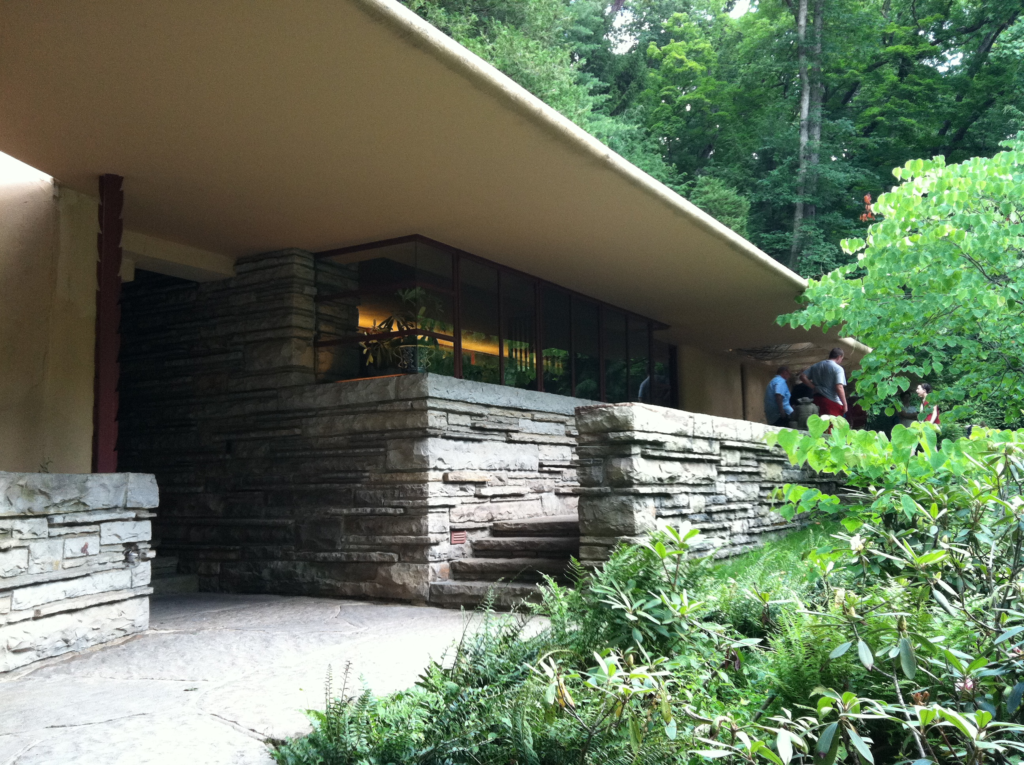
Instead, he built Kentuck Knob into the hillside, allowing it to blend naturally into the terrain rather than dominate it.
One of the most impressive features is the eight-foot cantilevered patio roof. Wright designed it to:
- Let winter sunlight enter through skylights to warm the stone floors
- Block harsh summer sun by shading the living areas
Because of this, the home regulates temperature naturally—an energy-efficient concept that was decades ahead of its time.
Touring Kentuck Knob Today
Today, Kentuck Knob is owned by Lord Peter Palumbo of London and is open to the public for guided tours.
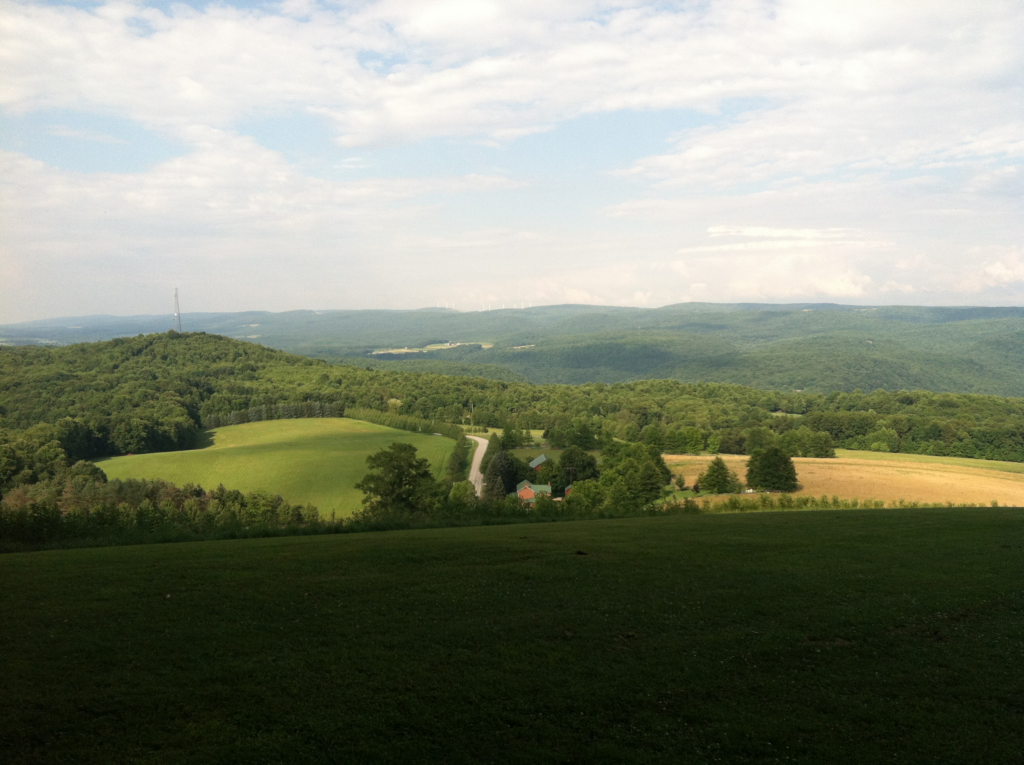
The backyard views alone make the visit worthwhile. Combined with Wright’s thoughtful design, it’s easy to imagine living in a space so closely connected to nature.
Why You Should Visit Frank Lloyd Wright in the Laurel Highlands
Seeing Frank Lloyd Wright’s work in person feels completely different from viewing photos online or in books.
Together, Fallingwater and Kentuck Knob offer:
- World-class architecture
- Peaceful natural surroundings
- A deeper understanding of organic design
- A memorable experience for travelers of all interests
Whether you’re visiting western Pennsylvania or planning a weekend getaway, the Laurel Highlands are well worth the trip.
And if you enjoy destinations like this, you may also like our guide to Longwood Gardens in Pennsylvania.